


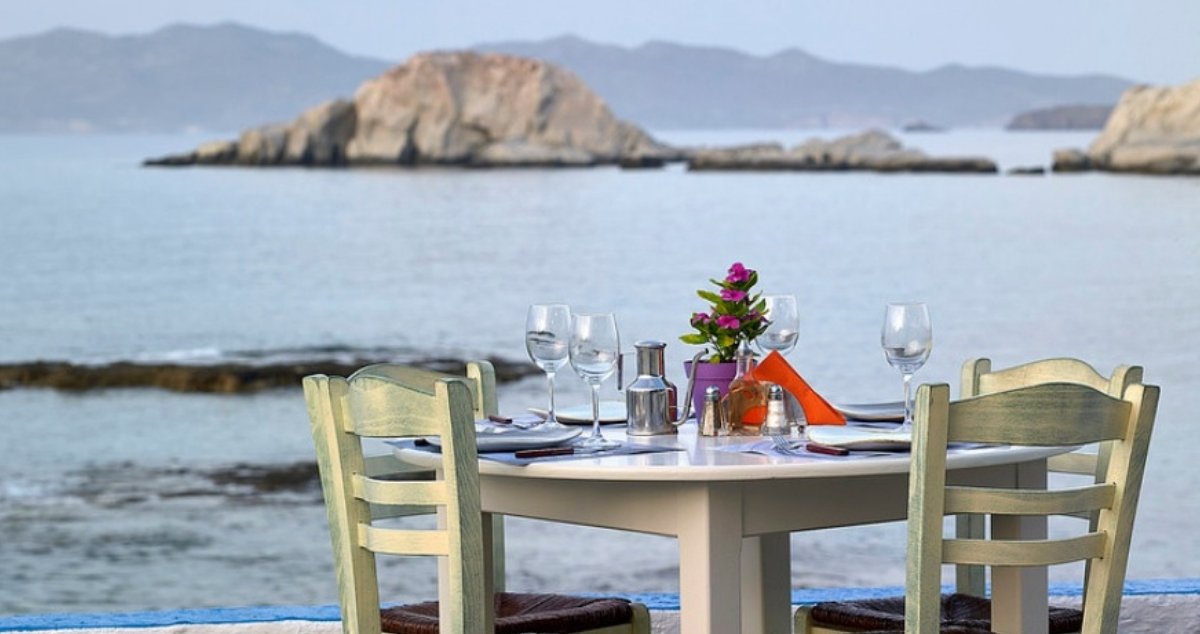
The gastronomy of Milos is an essential part of the island’s identity and can add another dimension to the holiday experience. Discovering a destination is not limited to its beaches, villages and natural landscapes. It also involves exploring its ingredients, traditional recipes and the way local people make use of everything the island has to offer.
In Milos, the seascapes, volcanic landscapes and local flavours complement one another. A day can begin with an exploration of the coastline and end around a table filled with pies, cheeses, seafood and traditional desserts. In this way, gastronomy is not simply a stop for a meal, but an integral part of discovering the island.
Why the gastronomy of Milos deserves a special place in your journey
Every Cycladic island has developed its own gastronomic identity, shaped by its local environment, available ingredients and the everyday habits of its residents. The cuisine of Milos is associated with simplicity, seasonality and the use of products that could be cultivated or preserved under the distinctive conditions of island life.
This connection with daily life makes traditional flavours particularly meaningful for travellers. Through a single dish, visitors can discover aspects of the island’s history and way of life that may not be immediately apparent during a simple tour.
The gastronomic experience becomes even more valuable when it is not treated as something separate. A meal after a day at sea, a stop for a local dessert following a walk through the villages or dinner at the end of a full day can bring the different moments of the journey together into one complete experience.
Milos pitarkia
Among the island’s most characteristic flavours are the traditional pitarkia of Milos. These are small fried pies, usually shaped like half-moons, that are closely connected with the island’s culinary tradition. Their filling is based on cheese, while many variations include local cheeses and aromatic ingredients that give them their distinctive character. Pitarkia are widely recognised as one of the signature specialities of Milos.
Their appeal lies not only in their flavour, but also in the simplicity of their preparation. With just a few basic ingredients, a dish is created that can be served as an appetiser, a side dish or a light meal during the day.
For visitors, pitarkia offer an easy and immediate introduction to the gastronomy of Milos. They are one of those local flavours that can be enjoyed at different moments of the journey, from a relaxed lunch to an evening meal after returning from the sea.
Watermelon pie: A different kind of summer dessert
Watermelon pie is one of the most distinctive sweet flavours associated with Milos. The recipe makes use of watermelon, one of the most characteristic fruits of summer, transforming it into a simple yet unique dessert.
This particular recipe reflects the philosophy of traditional island cuisine: seasonal ingredients are not left unused but are transformed into dishes that can be shared around the family or festive table. The flavour of watermelon pie is closely associated with summer, making it especially suitable for a visit to Milos during the warmer months.
After a day filled with swimming and exploration, a slice of watermelon pie offers a different way to complete the experience. It is not simply a dessert, but a flavour that captures the atmosphere and seasonality of the island.
Milos koufeto: The sweet side of local tradition
Koufeto from Milos is another dessert closely connected with the island’s traditions. It is a spoon sweet made with pumpkin and almonds and has historically been associated with joyful occasions and social celebrations. Its name and presence in the local cuisine have established it as one of the island’s most characteristic sweet preparations.
The special significance of koufeto demonstrates that gastronomy is not only about everyday food. It is also connected with celebrations, customs and moments that bring the local community together.
For visitors, tasting koufeto provides an opportunity to discover a less visible side of Milos. Beyond the impressive images of its coastline, there are flavours that carry memories, symbolism and elements of the island’s social life.
Local cheeses and simple Cycladic flavours
Cheese is an important part of Cycladic cuisine, and in Milos it can be found in pies, appetisers and simple everyday recipes. It may be served on its own, combined with bread and salads or used as a key ingredient in traditional dishes.
The appeal of these flavours often lies in their simplicity. Instead of elaborate techniques, the emphasis is placed on combining a small number of ingredients with distinctive flavours and a strong local character. This philosophy defines much of the island’s cuisine and helps visitors understand the relationship between food and the surrounding environment.
A table filled with cheese, pies, vegetables, bread and small side dishes may express the island’s local identity more effectively than an overly complex meal. The gastronomy of Milos is highlighted through quality, balance and its connection with local customs.
Fresh fish, seafood and the island’s relationship with the sea
The sea influences not only the landscape and activities of Milos, but also the visitor’s gastronomic experience. Fish and seafood have a natural place on the summer table, particularly in seaside settlements and tavernas, where the meal is directly connected with the views and atmosphere of the Aegean.
The experience is not determined solely by a particular dish. It also includes the time, the setting and the way the food is shared. A meal by the sea, with small plates and fresh fish, can become a natural continuation of a day spent exploring.
Seafood appetisers, octopus, sardines and fresh fish frequently appear in the island’s culinary landscape, especially in coastal areas. Their availability, of course, always depends on the season and the daily catch.
Gastronomy as a continuation of a day at sea
A complete day in Milos can combine two of the most important elements of the island’s identity: the sea and its gastronomy. The day can begin with a cruise along the coastline, allowing visitors to discover Kleftiko, Polyaigos and other areas that showcase the island’s volcanic landscape.
After returning, the experience can continue on land with a meal that includes local pies, cheeses, fish or traditional desserts. Moving from the images of the sea to the flavours of the island creates a natural sense of continuity and allows travellers to discover Milos through different senses.
This connection does not need to be organised or overly planned. Visitors simply need to leave enough space in their schedule both for exploration and for a peaceful meal without rushing.
Food as part of the evening experience
After sunset, gastronomy takes on a different role in the journey. Dinner becomes an opportunity to relax, talk and reflect on the images and experiences of the day. Taverns, small restaurants and tables by the sea provide a setting in which travellers can move at a slower pace.
Especially after a day at sea, the evening meal serves as a peaceful conclusion. The flavours do not need to be numerous or elaborate. A few local dishes, a dessert and the atmosphere of the island are enough to create an experience that remains in the memory.
In this way, the gastronomy of Milos does not compete with its beaches or cruises. Instead, it complements them, adding greater depth and duration to everything the visitor has experienced during the day.
Discover Milos through its landscapes and flavours
The gastronomy of Milos is an inseparable part of the travel experience because it connects tradition, everyday life and the island’s natural environment. Pitarkia, watermelon pie, koufeto, local cheeses and seafood are not simply items on a menu. They are different ways of discovering the character of Milos.
A day that includes exploring the coastline and ends with local flavours offers a more complete picture of the destination. Through the sea journeys offered by Milos Sail Ways, visitors can discover the distinctive landscapes of Milos and then continue exploring the island through its gastronomy.